
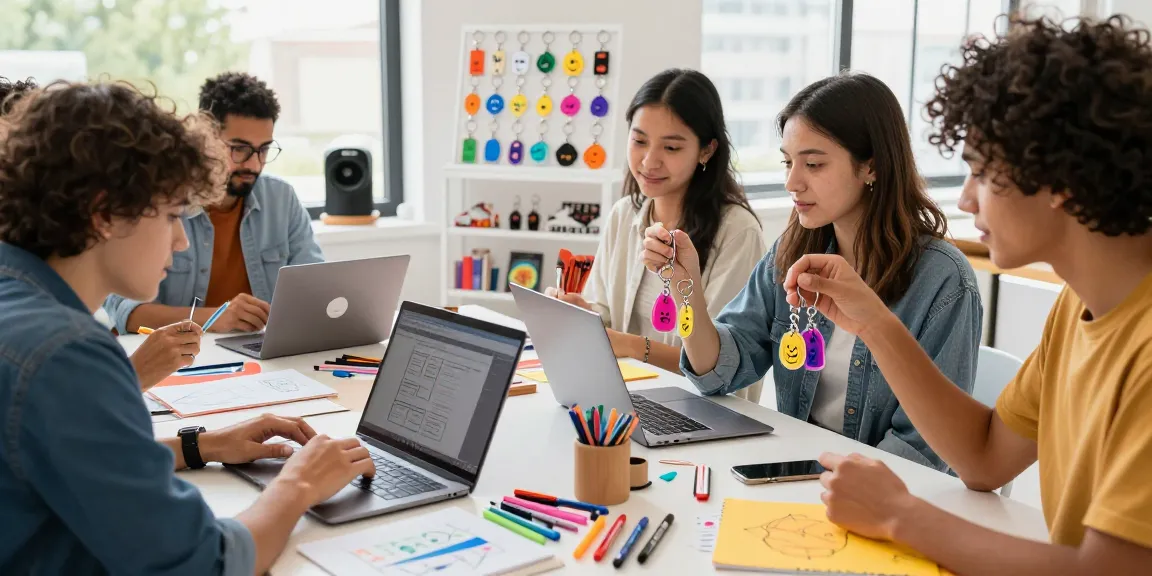
Understanding Custom Keychains: What You Need to Know
Custom keychains have become a popular promotional tool and personal accessory, transcending their traditional role as mere key holders. In recent years, they have evolved into creative canvases for brands, individuals, and events alike. From vibrant acrylic designs to sleek metal finishes, custom keychains cater to diverse tastes and markets. As we move into 2026, understanding the significance of custom keychains is more important than ever for businesses and marketers seeking to leave a lasting impression.
Definition and Importance of Custom Keychains
At their core, custom keychains are personalized items designed to not only hold keys but also serve as mini-billboards for messages, logos, or art. They play a crucial role in branding, enhancing visibility, and keeping the brand in constant view. Additionally, custom keychains are often used as giveaways, souvenirs, or gifts, making them a versatile tool for many industries.
Popular Materials Used for Custom Keychains
Several materials are commonly used to create custom keychains, each offering unique benefits:
- Acrylic: Lightweight and available in diverse colors, acrylic keychains are popular for their aesthetic appeal and durability.
- Metal: Known for their sturdiness, metal keychains often project a more sophisticated image, making them ideal for corporate branding.
- PVC: Flexible and waterproof, PVC keychains can encapsulate intricate designs and are often used for promotional purposes.
- Wood: For those leaning towards eco-friendly options, wooden keychains add a natural touch and can be easily customized.
Common Uses for Custom Keychains in 2026
The potential applications of custom keychains continue to expand. Here are several common uses expected to remain popular in 2026:
- Brand Promotion: Companies leverage keychains to enhance brand recognition, distribute at trade shows, or include in welcome kits.
- Event Memorabilia: Events like weddings, parties, and corporate retreats often feature custom keychains as memorable keepsakes.
- Charity and Fundraising: Nonprofits use custom keychains as fundraising tools, selling them to supporters to promote their missions.
Designing Custom Keychains: Best Practices
Creating an attractive custom keychain involves thoughtful design choices. The aesthetics should resonate with the intended audience while aligning with the brand’s identity. Here are best practices for designing custom keychains effectively.
Incorporating Brand Elements into Design
Every element of the keychain design should represent the brand. This includes logo placement, color schemes, and typography. For instance, a tech company may choose a sleek metallic design that reflects innovation, while a charity focused on children might opt for colorful, playful shapes.
Choosing the Right Shapes and Sizes
The shape and size of the keychain can significantly impact its appeal. Standard shapes like circles and rectangles are popular, but custom shapes that reflect the brand or message can create distinctiveness. Considerations should also include usability and comfort; larger keychains may be difficult to carry, while smaller ones may lack visibility.
Color Psychology: Impact on Customer Appeal
The colors used in custom keychains can evoke specific emotions and associations. For example, blue instills trust, while red signifies excitement. Understanding color psychology can help brands leverage color as a fundamental part of their design strategy, enhancing customer response and connection.
Production Methods for Custom Keychains
Once the design is finalized, the production method chosen will determine the final quality and appearance of the keychains. Each material offers different production techniques, and understanding these can aid in selecting the right approach for your project.
Popular Techniques: Acrylic vs. Metal vs. PVC
Different materials entail different production methods:
- Acrylic: Typically involves laser cutting for precision and can be printed with full-color designs.
- Metal: Often produced using die-casting or stamping techniques, resulting in a durable product with a high-end finish.
- PVC: Can be molded into various shapes and printed with detailed graphics, ideal for vibrant and intricate designs.
Understanding Quality and Durability Standards
Quality assurance is paramount when selecting a manufacturer. Keychains should endure daily wear and tear while maintaining their aesthetic appeal. Look for manufacturers who provide sample products and exhibit transparency in their production processes.
Finding the Right Manufacturer for Your Needs
When seeking a manufacturer, consider factors such as minimum order quantities, customization options, turnaround times, and customer reviews. A reputable manufacturer can guide you through the process, ensuring your vision aligns with feasible production methods.
Maximizing Sales with Custom Keychains
Custom keychains present excellent opportunities for sales growth when marketed effectively. Here’s how brands can optimize their sales strategies in 2026.
Effective Marketing Strategies for 2026
In a crowded marketplace, standing out is essential. Integrating keychains into comprehensive marketing campaigns—such as using them as rewards in loyalty programs or giveaways—can attract new customers while retaining existing ones.
Leveraging Social Media to Showcase Designs
Social media platforms serve as powerful tools for showcasing custom keychains. Brands can engage their audience by sharing behind-the-scenes content, design processes, or customer testimonials, creating a community around the product.
Creating Limited Editions and Seasonal Collections
Introducing limited edition designs or seasonal collections can cultivate urgency among customers. Special promotions tied to holidays or events encourage purchases and stimulate interest in the product line.
Future Trends in Custom Keychains: What’s Next?
As consumer preferences evolve, so too will the designs and production methods of custom keychains. Businesses must stay ahead of trends to remain competitive and relevant.
Emerging Design Trends in Custom Keychains
2026 is set to welcome innovative design trends, including eco-friendly materials and multifunctional designs that serve multiple purposes, enhancing both aesthetic appeal and functionality.
Adapting to Sustainable Materials and Practices
With growing awareness around sustainability, custom keychains made from recycled materials or biodegradable options become increasingly appealing. Brands committed to sustainability not only attract like-minded customers but also contribute to environmental stewardship.
Tech Innovations: Smart Keychains in the Market
Technology integration will play a crucial role in custom keychain evolution. Innovations such as Bluetooth tracking keys or NFC-enabled tags are likely to become standard features, providing added functionality while catering to tech-savvy consumers.
How can I personalize my custom keychains effectively?
Personalization can be achieved by incorporating names, initials, or unique graphics that resonate with the recipient. Using specific color palettes or designs that reflect individual tastes can enhance the emotional value of the keychain.
What are the most popular materials for custom keychains?
The most common materials include acrylic, metal, and PVC, each offering unique qualities that cater to different needs and preferences.
How to market custom keychains successfully?
Effective marketing hinges on clear audience targeting, social media engagement, and the use of strategic promotions, such as limited releases and discounts.
Where can I find custom keychain manufacturers?
Online platforms and industry directories serve as valuable resources for locating reputable manufacturers. It’s beneficial to read reviews and request samples before making a decision.
What are the current design trends for custom keychains?
Current trends emphasize sustainability, multifunctional designs, and the integration of technology, enabling custom keychains to fulfill various user needs and preferences.