
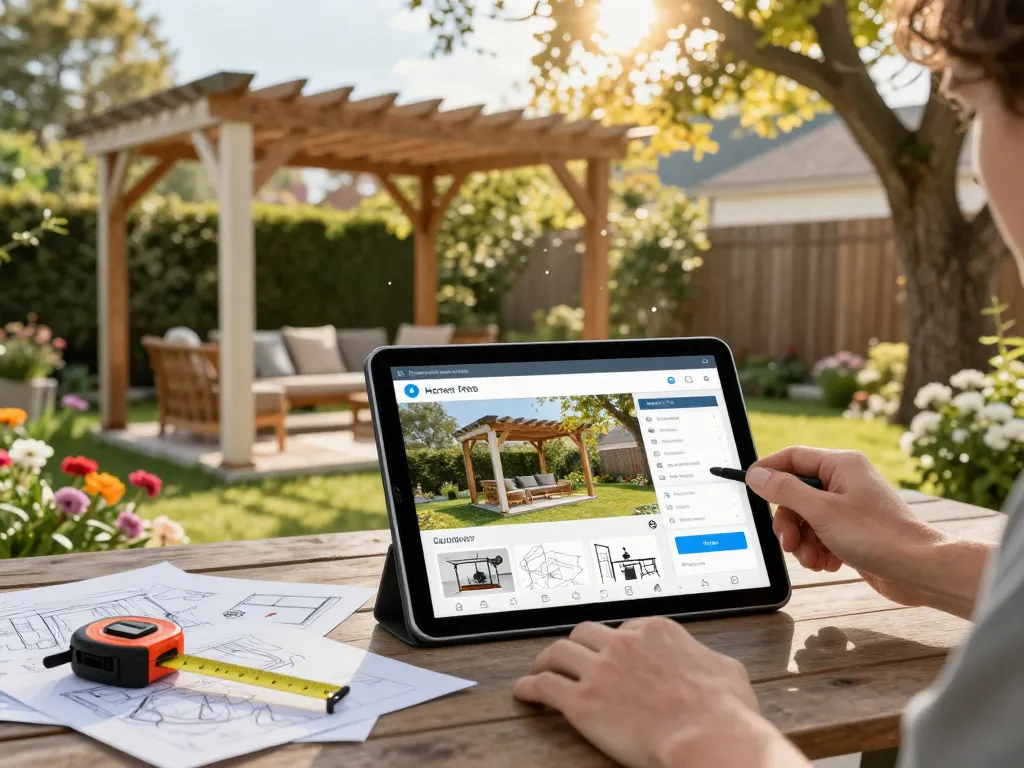
Understanding Pergola Configurator Software
Pergolas are becoming increasingly popular as homeowners seek to enhance their outdoor spaces. To meet this growing demand, pergola configurator software has emerged as a crucial tool for designers and manufacturers alike. This technology allows users to visualize, customize, and build complex pergola designs with ease, ensuring that their final product is both functional and aesthetically pleasing. In this article, we’ll delve deeper into what pergola configurator software is, its key features, and the benefits it offers.
What is Pergola Configurator Software?
Pergola configurator software is a digital tool designed for the creation and customization of pergola designs. Users can input various specifications such as dimensions, materials, and styles, allowing for a tailored design process that meets individual needs. This software can often operate in both 2D and 3D environments, providing a comprehensive view of the final product before construction begins. The interactive nature of configurators enables potential buyers to engage with the design process, which can lead to increased satisfaction and reduced errors during production.
Key Features of Effective Configurator Tools
- User-Friendly Interface: A straightforward interface ensures that users of all technical levels can navigate the software with ease.
- 3D Visualization: The ability to render designs in three dimensions allows users to see how their pergola will look in real-world settings.
- Customization Options: Users should be able to modify dimensions, materials, colors, and more, tailoring the design to their preferences.
- Real-Time Pricing: Dynamic pricing models adjust the cost based on selected specifications, ensuring transparency in budgeting.
- Integration Capabilities: The software should seamlessly integrate with existing tools and platforms used by businesses.
Benefits of Using Pergola Configurator Software
The advantages of utilizing pergola configurator software go beyond mere convenience. These tools can significantly enhance productivity and customer satisfaction. Here are some key benefits:
- Streamlined Design Process: Configurator software simplifies the design stages, allowing for faster prototyping and revisions.
- Increased Sales Opportunities: By providing customers with an interactive design experience, businesses can boost their sales potential and improve conversion rates.
- Minimized Errors: Reducing the margin for error in design specifications leads to a smoother manufacturing process.
- Enhanced Customer Engagement: Customers who actively participate in the design process are more likely to feel invested in the final product.
- Market Differentiation: Offering advanced configurator capabilities can set a business apart from competitors.
Choosing the Right Pergola Configurator Software
When selecting the right configurator software, businesses must consider several critical factors to ensure they choose a solution that aligns with their needs. The right software can drive productivity and customer satisfaction, while the wrong choice can lead to inefficiencies.
Essential Considerations for Selection
- Compatibility: Ensure the software is compatible with current systems and can integrate seamlessly into existing workflows.
- Scalability: As businesses grow, their needs will evolve. Choosing a scalable solution is vital for long-term success.
- Support and Training: Evaluate the level of customer support and training provided by the software vendor.
- Customization Capabilities: The software should allow for various customizable designs to meet customer demands efficiently.
- User Feedback: Researching user reviews and case studies can provide valuable insights into the software’s effectiveness and reliability.
Top Pergola Configurator Software Options for 2026
As the demand for customizable outdoor structures grows, numerous software options are emerging. Here are some of the leading pergola configurator software solutions available in 2026:
- Simpson Strong-Tie Pergola Planner: A robust tool allowing designs in 2D and 3D, equipped with essential shaping tools.
- MyConfigurator 3D Pergola: This software enhances design precision by offering real-time pricing and AR projection features.
- SketchList 3D: Known for its extensive customization capabilities, allowing for detailed design options.
- Ihme 3D Configurator: This option offers instant 3D views and production-ready documents.
Comparison of Features and Pricing
When evaluating different pergola configurator software, consider comparing their features and pricing structures. Most software options offer tiered pricing models based on features, user licenses, and support levels. Here are some aspects to analyze:
- Feature Set: Examine the number and depth of features offered across various platforms.
- Pricing Transparency: Look for clear pricing structures that make it easy to understand what you are paying for.
- Trial Periods: Some providers offer free trials or demos, allowing users to test the software before making a commitment.
Designing with Pergola Configurator Software
Once you have chosen the right software, the next step is to understand how to effectively utilize it for designing your pergola. Knowing the ins and outs of your chosen tool will maximize its potential.
Step-by-Step Guide to Designing Your Pergola
- Set Your Dimensions: Begin by inputting the desired size parameters for your pergola.
- Select Your Style: Choose the architectural style that best fits your home and landscape.
- Customize Materials and Finishes: Select materials that suit your aesthetic and functional requirements.
- Preview in 3D: Use the 3D visualization tools to see your design come to life and make necessary adjustments.
- Finalize and Export: Once satisfied, finalize your design and export it along with any associated documentation.
Common Challenges and How to Overcome Them
While using pergola configurator software can streamline the design process, challenges may arise. Here are common issues faced and suggestions for overcoming them:
- Technical Glitches: Regular updates and support from the software provider can help minimize these issues.
- Steep Learning Curve: Comprehensive training sessions and tutorials can empower users to master the software quickly.
- Design Limitations: Choosing a flexible software tool with extensive customization options can alleviate this concern.
Best Practices for Optimal Design
To ensure the best outcomes when designing with configurator software, consider the following best practices:
- Stay Informed: Keep abreast of updates and new features in the software to leverage all its capabilities.
- Engage Stakeholders: Involve clients and team members in the design process for expanded insights and ideas.
- Focus on User Experience: Ensure the final design not only meets aesthetic tastes but also functional needs.
Integrating Configurator Software into Your Business
Implementing pergola configurator software into your business model can significantly enhance efficiency and customer satisfaction. However, it’s essential to strategize effectively for a smooth integration.
How to Promote Your Pergola Configurator Software
Once the software is integrated, promote its use among your target audience. Here are some strategies:
- Social Media Campaigns: Leverage platforms like Instagram and Pinterest to showcase unique designs created with the configurator.
- Webinars and Tutorials: Offer online sessions that demonstrate how to use the software efficiently.
- Customer Testimonials: Showcase feedback from satisfied customers to build trust and interest.
Case Studies of Successful Implementations
Analyzing successful implementations of pergola configurator software can provide insights into best practices and strategies:
- Company A: Increased sales by 30% by integrating a customizable configurator into their website, allowing customers to visualize their pergola options.
- Company B: Reduced design errors by 40% after adopting a configurator tool that provided real-time updates and pricing.
Measuring Success: Key Performance Indicators
To ensure the configurator software is adding value, it’s vital to measure its impact through key performance indicators (KPIs). Consider tracking:
- Sales Growth: Monitor the sales increase correlated with the configurator’s use.
- Customer Satisfaction Rates: Gather feedback and satisfaction scores from users post-implementation.
- Design Completion Time: Evaluate how the software impacts the speed and efficiency of design processes.
Future Trends in Pergola Configurator Software
As technology continues to evolve, so too will pergola configurator software. Staying informed about these changes can help you maintain a competitive edge.
Emerging Technologies Shaping the Industry
The integration of advanced technologies such as artificial intelligence (AI) and augmented reality (AR) is expected to revolutionize how configurators operate. For instance, AI can provide personalized design recommendations based on user preferences, while AR can enhance the visualization aspect, allowing users to see how a pergola would look in their actual environment.
Customer Expectations for 2026 and Beyond
As consumers become more tech-savvy, their expectations will rise. They will demand more interactive, user-friendly configurators that allow for instant feedback and seamless integration with other services. Businesses that can deliver this level of sophistication will likely outperform their competitors.
Predictions on Software Evolution and Integration
Looking ahead, we anticipate that pergola configurator software will increasingly incorporate predictive analytics to forecast trends in customer preferences, guiding companies in their design and marketing strategies. Additionally, integrations with eCommerce platforms will simplify the purchasing process, creating a more seamless experience for users.
What are the key benefits of using pergola configurator software?
Pergola configurator software enhances the design process by streamlining customization, improving accuracy, and engaging customers through interactive design experiences.
How do I choose the best pergola configurator software?
Consider factors such as compatibility, scalability, user support, and customization features when evaluating your options.
Can I integrate configurator software with my existing systems?
Most modern configurator tools are designed with integration in mind, ensuring they can seamlessly work with your existing business systems.
What trends should I watch for in pergola design software?
Stay informed about emerging technologies like AI and AR that can enhance the user experience and increase design flexibility.
Are there free pergola configurator software options available?
While many advanced configurators come with a price, some free options exist, albeit with limited features. It’s essential to evaluate whether the free options meet your design needs adequately.