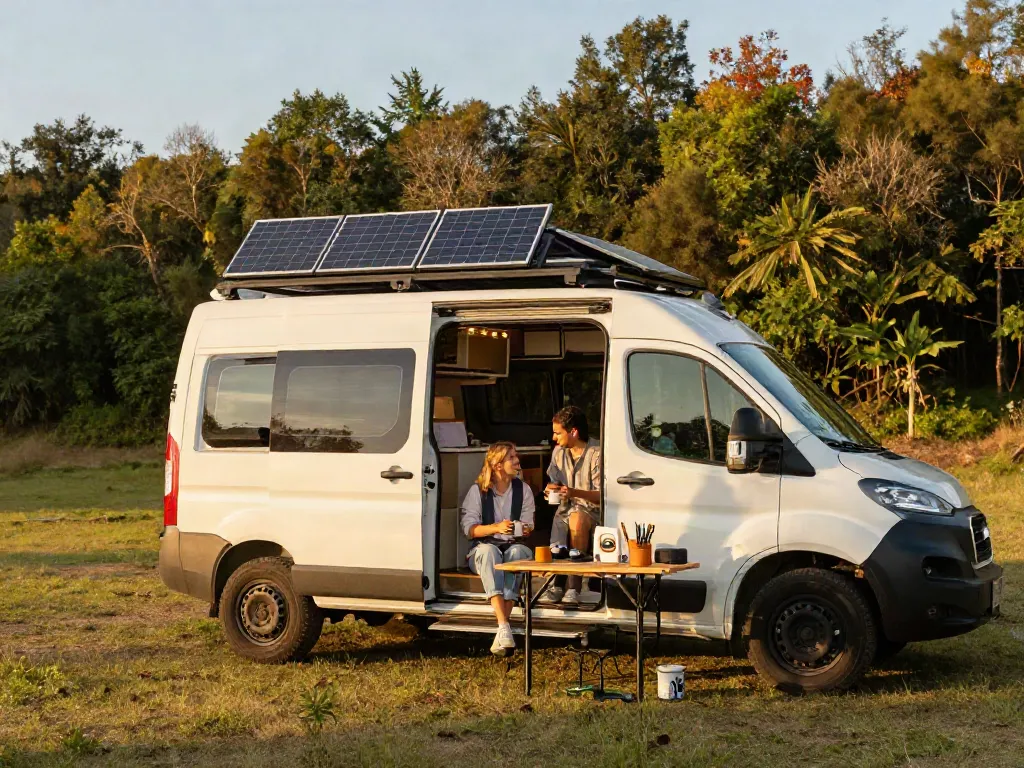
Understanding Van Conversion Electrics
Van conversion electrics are integral to ensuring comfort and functionality in your campervan. Whether you're planning weekend getaways or extended travels, understanding the electrics will help you optimize energy usage and battery life. From selecting the right battery types to wiring installations, each element plays a crucial role. For anyone looking to dive deep into the world of van conversion, resources like the rokok88 link can provide invaluable insights and guidance.
What You Need to Know About Batteries
Choosing the right battery for your campervan conversion is one of the foundational steps in building your electrical system. There are primarily two types of batteries used in campervans: lead-acid and lithium-ion. Lead-acid batteries are more affordable but bulkier and heavier, making them less suitable for compact spaces. Conversely, lithium-ion batteries offer a lighter option with a longer lifespan and faster charging capabilities, although they tend to be pricier.
- Lead-Acid Batteries: Best for budget-conscious builds, but requires careful monitoring.
- Lithium-Ion Batteries: Higher initial investment but superior performance and longevity.
When selecting your battery, consider your energy needs, the space available, and how often you plan to be off-grid. By determining your power consumption patterns, you can make an informed choice that aligns with your adventurous lifestyle.
Types of Solar Panels for Your Campervan
Solar panels are indispensable for campervans wishing to harness renewable energy. There are two primary types of solar panels available: monocrystalline and polycrystalline. Monocrystalline panels are known for their high efficiency and space efficiency, making them ideal for limited roof space. On the other hand, polycrystalline panels are less expensive and slightly less efficient, but they can be a practical choice for those on a tighter budget.
When installing solar panels, factor in elements like your energy requirements, the available roof area, and local weather patterns to achieve optimal performance.
Wiring Basics: A Step-by-Step Guide
Proper wiring is crucial for the safety and functionality of your campervan's electrical system. Begin by planning your layout, including the battery location, solar panel setup, and any appliances you'll be using. Use appropriate gauges of wire to minimize energy loss and ensure safety. Additionally, incorporating fuses and circuit breakers is essential to protect your electrical components from overloads. Ensure all connections are secure and weatherproof, particularly in areas prone to moisture.
Calculating Battery Size and Solar Needs
Knowing how to calculate your campervan's battery size and solar needs is essential for ensuring a reliable power supply. Understanding your daily energy consumption is a critical first step in this process. Consider the wattage of each appliance and how many hours you will use them daily to arrive at a total watt-hour requirement.
Using the Campervan Battery Size Calculator
A campervan battery size calculator can simplify the process of determining the optimal battery capacity required for your specific needs. By inputting your devices' wattage and usage time, these calculators can provide recommendations that will assist in selecting the right battery size while considering factors such as efficiency and the possibility of expanding your electrical system in the future.
Factors Affecting Solar Power Requirements
Several factors influence the amount of solar power you'll need. These include your geographical location, the orientation of your solar panels, and seasonal weather variations. Mountains and trees can create shade and reduce efficiency, so consider your travel plans when determining your solar setup.
Common Mistakes in Sizing Your Electrical System
New van converters often make mistakes when sizing their electrical systems, such as underestimating power needs or overcomplicating wiring setups. Performing a thorough needs assessment and allowing for some buffer in your calculations can prevent future headaches and ensure a smoother experience.
Insulation: How and Why to Fit It
Insulating your campervan is pivotal for maintaining a comfortable interior temperature and optimizing energy efficiency. Proper insulation can significantly reduce heating and cooling costs, allowing your electrical system to run effectively without excessive drain.
Choosing the Right Insulation Material
Several insulation materials are suitable for campervans, including foam board, spray foam, and reflective insulation. Foam board offers excellent thermal resistance, while spray foam provides an airtight seal. Reflective insulation works effectively in hot climates by reflecting radiant heat away. The choice of insulation should factor in your climate, van size, and budget.
Installation Techniques for Effective Insulation
When installing insulation, ensure that all gaps are filled, and consider the use of vapor barriers to prevent moisture buildup. This attention to detail will improve your van's overall energy performance while protecting it from mold and mildew.
Impact of Insulation on Energy Efficiency
Quality insulation directly impacts your campervan’s energy efficiency. A well-insulated space will lead to reduced reliance on heating and cooling systems, allowing you to enjoy longer trips off-grid. Focus on achieving a balance between weight, cost, and effectiveness when selecting insulation materials.
Step-by-Step Guide to Converting Your Van
Embarking on a van conversion is an exciting journey, but it requires careful planning and execution. Here’s a step-by-step guide to help you navigate this process.
Planning Your Conversion: First Steps
Start by creating a clear plan that outlines your objectives, budget, and desired features. Research different layouts and best practices, and gather inspiration from experienced van lifers. Always ensure your van meets legal requirements for road use and living conditions.
Developing an Effective Electrical System
Focus on creating an electrical system that meets your specific needs. Assess whether you'll be off-grid often or if you'll have access to shore power. This will influence your battery choice, solar power requirements, and wiring decisions. Don't hesitate to consult with professionals for complex installations.
Finalizing Your Van Conversion for Travel
Once your electrical system is in place, it’s time to finalize your interior layout, including sleeping, cooking, and living areas. Ensure all installations comply with safety standards and check your setup thoroughly before hitting the road.
Choosing the Best Van for Your Conversion
Choosing the right van is one of the most significant decisions you'll make during your conversion journey. Your choice will ultimately affect everything from layout to driving experience.
Key Features to Look for in a Conversion Van
When selecting a van, consider factors like size, height, and engine performance. Look for a model that offers enough cargo space for your needs while still being compact enough for easy maneuverability. Features like a high roof or extended length can provide valuable versatility in your design.
Popular Van Models for DIY Builders
Several van models are popular among DIY builders, including the Mercedes Sprinter, Ford Transit, and Ram ProMaster. Each has its pros and cons depending on your requirements, budget, and intended use.
Assessing Your Needs: Size vs. Functionality
Consider your daily needs when assessing size versus functionality. A smaller van may be easier to navigate and park, but it sacrifices living space. Conversely, a larger van offers more room for amenities but may be cumbersome to drive. Strike a balance based on how you plan to use your campervan.
What is Van Conversion Electrics?
Understanding van conversion electrics involves knowing how each component works together to create a functional living and travel space. From batteries to solar systems, mastering these elements will empower you to build an efficient and reliable campervan.
How do I choose the right battery size?
Choosing the right battery size requires assessing your energy consumption and using tools like a battery size calculator to ensure you select a capacity that meets your needs.
Can I install solar panels myself?
Yes, many DIY enthusiasts successfully install their solar panels. With the right tools and guidance, you can tackle this project safely and effectively.
What insulation materials are best for campervans?
The best insulation materials for campervans include foam board, spray foam, and reflective insulation, each offering unique benefits depending on your needs and climate.
What voltage system should I use for my campervan?
The most common voltage systems for campervans are 12V and 24V. Your choice should be guided by your appliances and overall system design.
How can I ensure my electrical system is safe?
To ensure your electrical system’s safety, adhere to proper wiring practices, ensure all connections are secure, and incorporate fuses and breakers into your setup.