
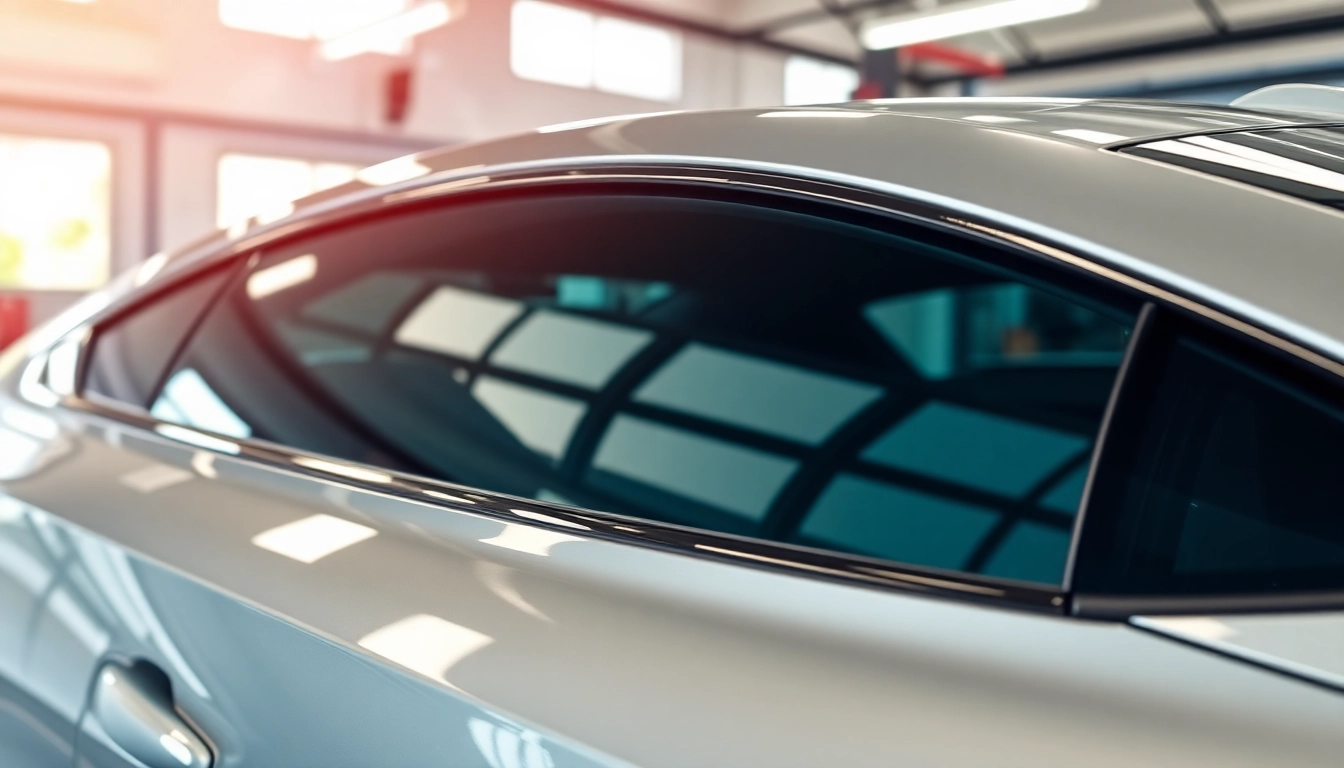
Understanding Window Tint Options
Types of Window Tint Materials
When it comes to choosing window tint, understanding the different types of materials available is crucial. The main options include:
- Dyed Window Film: This type involves a layer of dye between adhesive and protective layers. It’s popular due to its affordability and ability to provide privacy, but it offers limited UV protection and heat rejection.
- Metalized Window Film: Metalized tints contain tiny metallic particles that enhance durability and heat resistance. They reflect heat away, keeping interiors cooler while providing protection from UV rays, but can interfere with radio, GPS, and cell signals.
- Carbon Window Film: Carbon tints offer better heat rejection without the reflective properties of metalized films. They provide UV protection and are resistant to fading, making them a great long-term investment.
- Ceramic Window Film: One of the most advanced options, ceramic tints do not contain metal or dyes. They provide superior heat reduction, UV protection, and visibility while maintaining a clear signal for electronic devices.
- Nano-Ceramic Film: This type functions similarly to ceramic films with added benefits of higher clarity and performance. Nano-ceramic films are also less likely to fade over time and offer protection from harmful UV rays.
Benefits of Various Tints
Choosing the right window tint can offer various benefits that enhance comfort, safety, and aesthetics. Here’s what you can expect:
- UV Protection: One of the most significant benefits is that window tints block up to 99% of harmful UV rays, helping to protect your skin and keeping your interior looking new.
- Heat Reduction: Tints can significantly reduce heat inside your vehicle, making rides more comfortable and less dependent on air conditioning.
- Privacy: Tints provide extra privacy for passengers and belongings, deterring prying eyes while enhancing the aesthetic appeal of the car.
- Glare Reduction: Window tints help reduce glare from sun exposure, improving visibility and driving comfort, which is essential during bright sunny days.
- Enhanced Safety: If glass breaks, tints can help hold shards together, minimizing the risk of injury from flying glass and improving your vehicle’s overall safety profile.
Legal Considerations for Window Tinting
Before proceeding with window tint installation, it’s essential to be aware of the legal restrictions in your state or country. Many regions have laws governing the level of tint allowed on various windows:
- Front Windshield: Most states allow a certain VLT (Visible Light Transmission) percentage, typically between 25% to 70%. Check local laws for specific guidelines.
- Side Windows: Requirements may differ based on whether the window is able to be turned down. Darker tints may be prohibited on front side windows.
- Rear Windows: Many jurisdictions allow greater flexibility on rear windows, with darker tints often permissible.
- Reflectivity Restrictions: Reflective tints are commonly regulated due to their potential glare issues, requiring compliance with specific percentages.
Finding Window Tint Services Near You
Researching Local Tint Providers
When searching for quality window tint services, using online resources effectively is key. A simple search for window tint near me provides a starting point to discover reputable installers in your area. Look for businesses that have been established for a while, showcasing a robust portfolio and positive industry reputation.
Utilize platforms like Yelp, Google Maps, or dedicated automotive forums to read reviews and compare services offered by local tint shops. Pay attention to how businesses respond to feedback, as customer service can be a significant indicator of the quality you’re likely to experience.
Evaluating Quality and Customer Reviews
Once you’ve gathered a list of potential tint providers, evaluate their offerings through available customer reviews. Here are some factors to consider:
- Quality of Materials: Look for reviews mentioning the brands used. High-quality films can significantly impact durability and effectiveness.
- Installation Experience: Customer feedback should reflect the level of expertise demonstrated by the technicians. Professional installation ensures proper application and longevity of the tint.
- Guarantees and Warranties: A good tint service will often provide warranties on both materials and installation. Read the fine print to understand what’s covered.
- Aftercare Support: Quality providers often offer ongoing maintenance advice or services. Check for reviews that discuss responsiveness to post-installation queries.
Requesting Customized Quotes
Once you’ve narrowed down your list to a few select providers, don’t hesitate to reach out for customized quotes. A reputable service should conduct an initial consultation that includes:
- A Vehicle Assessment: Discuss the make, model, and year of your vehicle. Some tints may be better suited based on your specific automobile.
- Desired Tint Level: Understand your visual and functional needs. Clarifying the expected benefits will aid providers in tailoring their offers.
- Budget Consideration: Share your budget constraints. Professionals often can recommend solutions that meet both quality and budgetary expectations.
- Time Frames: Ask about expected installation times to plan your day accordingly. Some shops may have a backlog of appointments, while others may offer walk-in services.
Installation Process of Window Tint
Preparation and Cleanliness Requirements
The quality of window tint application greatly depends on the preparation undertaken before installation begins. A professional should follow these steps:
- Cleaning the Windows: All windows receiving tint should be meticulously cleaned to remove any contaminants such as dirt, oils, or debris that could affect adhesion.
- Climate Considerations: Ideal installation should occur in controlled environments to prevent dust from settling on the adhesive. Shops often use designated clean rooms or booths.
- Measuring Windows: Accurate measurements ensure the tint fits properly and minimizes excess film cut. Professionals should measure carefully to avoid misapplication.
- Material Check: Technicians need to inspect the rolls of tint film for any defects before the installation process begins.
Tools and Techniques Used
Effective installation requires specific tools to ensure precision and quality:
- Utility Knife: For precise cutting and trimming of window film.
- Squeegee: Utilized to remove bubbles from beneath the film during application.
- Heat Gun: Helps in adapting the tint to the vehicle’s contours, providing a smooth finish and effective adhesion.
- Application Solution: A mixture of water and soap is often sprayed to facilitate easier positioning of the tint before it adheres.
Common Mistakes to Avoid
Installing window tints can be a tricky process fraught with potential pitfalls. Here are some common mistakes you should be cautious of:
- Neglecting the Cleaning Process: Any residue left on the glass can lead to bubbles and premature peeling, so thorough cleaning is essential.
- Applying Tint in Poor Conditions: Factors such as humidity or temperature extremes can adversely affect the application process. Professionals should ideally work in controlled conditions.
- Ignoring Manufacturer Instructions: Each tint film may come with specific installation guidelines based on its unique properties and materials.
- Underestimating the Importance of Quality Tools: Using subpar or improvised tools can impact the quality of the installation. If unsure, consult professionals for a flawless finish.
Maintaining Your Window Tint
Cleaning Techniques for Longevity
Maintaining your window tint will prolong its lifespan and effectiveness. Consider these cleaning techniques:
- Use Mild Cleaners: Opt for ammonia-free products to avoid deteriorating the film. Many professionals recommend mixing water with a small amount of vinegar.
- Soft Cloths: Always use microfiber cloths to gently wipe the surface. Avoid abrasive materials that can scratch the tint.
- Avoid Direct Sunlight: Clean the windows early in the morning or late in the evening to prevent streaking caused by the sun.
- Regular Inspections: Keep an eye out for any bubbling, peeling, or discoloration. Address minor issues immediately to prevent escalation.
Signs You Need a Tint Replacement
Understanding when to replace your window tint is crucial for safety and aesthetic appeal. Here are some indicators that it’s time for a replacement:
- Bubbling: If your tint exhibits bubbles or blisters, it’s often a sign of moisture trapped underneath, meaning it may be time for a redo.
- Peeling: Edges that lift or curl indicate that the adhesive is failing and can detract from the appearance of your vehicle.
- Fading: Over time, tints can fade, leading to decreased effectiveness against UV rays.
- Scratches: If the surface of the film has sustained scratches that obstruct visibility, it’s advisable to consider a replacement.
Protecting Your Tint from Damage
After installation, protecting your window tint is key to ensuring its longevity:
- Avoid Sharp Objects: Be cautious with any tools, brushes, or objects that could potentially scratch or damage the film.
- Limit Direct Heat Exposure: Parking your vehicle in shaded areas when possible can reduce heat wear on the tint.
- Use UV Protectant Film: Applying additional protective films designed for UV protection can add an extra layer of defense.
- Follow Maintenance Guidelines: Adhere to the cleaning and upkeep recommendations provided by your installer to protect your investment.
Frequently Asked Questions about Window Tint Near Me
How long does window tint last?
Most window tints can last anywhere from 5 to 10 years, depending on the quality of the product and installation.
Is window tinting legal in my area?
Legality varies by state; check local laws for specific regulations on tint darkness and reflectivity.
Can I install window tint myself?
While DIY kits are available, professional installation is recommended for best results and durability.
What are the benefits of window tint?
Window tint offers UV protection, reduces heat, increases privacy, and enhances vehicle aesthetics.
How do I choose the best window tint?
Consider factors like UV protection, heat rejection, warranty, and local regulations to choose the right tint.