
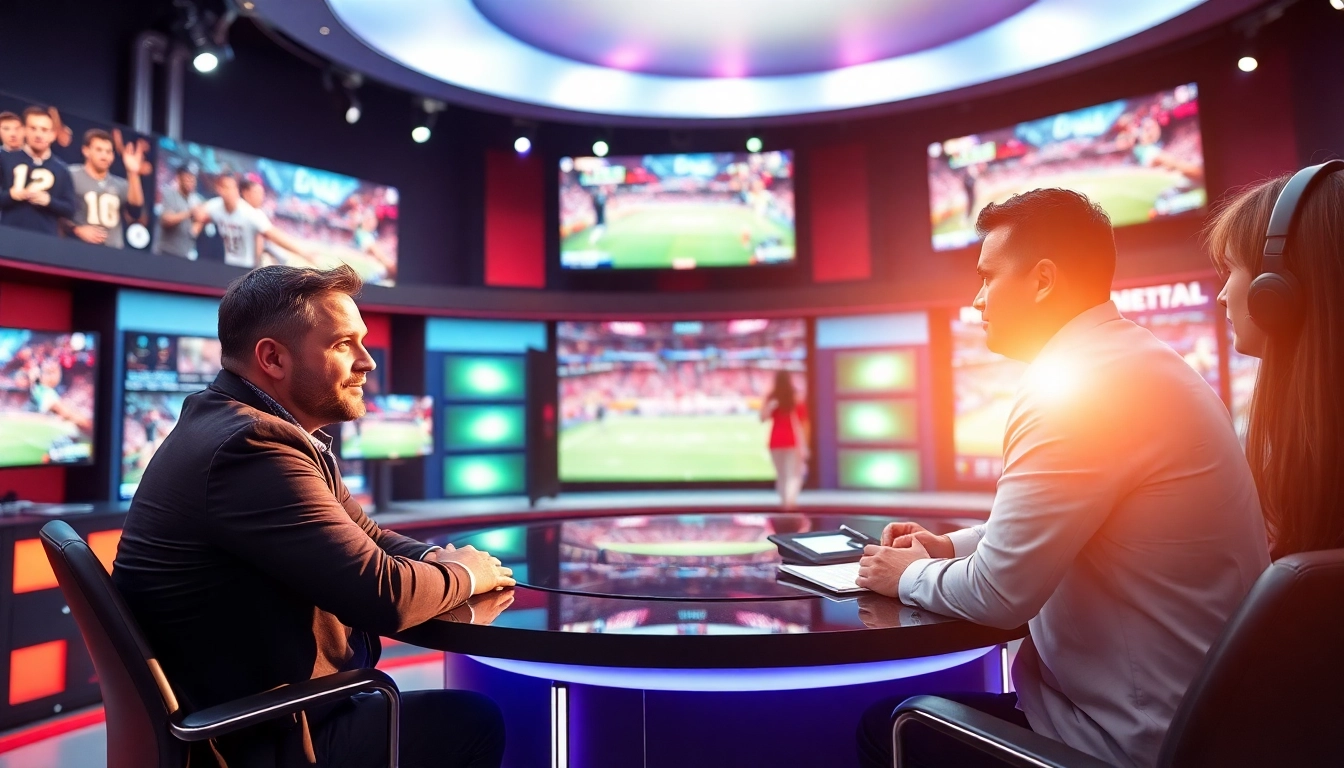
1. Understanding Sports Broadcasting
1.1 Definition and Scope
Sports broadcasting refers to the dissemination of live or recorded sports events and related content through various media channels, including television, radio, and online platforms. This field encompasses everything from play-by-play commentary and analysis to behind-the-scenes coverage and athlete interviews. As a dynamic aspect of the media landscape, Sports Broadcasting demands creativity, technical expertise, and a deep understanding of the sports industry.
1.2 Historical Evolution of Sports Broadcasting
The roots of sports broadcasting can be traced back to the early 1900s when the first radio broadcasts of sports events began. The introduction of television in the mid-20th century revolutionized how fans consumed sports content, ushering in a new era where families could gather around a television screen to witness live events. Over the decades, advancements in technology—such as satellite broadcasting in the 1980s and the emergence of the internet—have significantly shaped the evolution of sports broadcasting. Today, sports are accessible globally in real-time, transforming the landscape of fan engagement.
1.3 Importance in Today’s Media Landscape
In today’s media ecosystem, sports broadcasting plays a pivotal role as a driving force for viewership, advertising revenue, and fan engagement. It not only entertains but also serves as a platform for key cultural conversations and community identity. Major sports leagues rely heavily on broadcasting rights to fuel their financial success, while fans have come to expect high-quality, immersive experiences that only modern broadcasting technologies can provide.
2. Key Technologies in Sports Broadcasting
2.1 Live Streaming Innovations
Live streaming has become integral to the sports broadcasting landscape, enabling fans to watch events in real-time on a range of devices. This technological shift has paved the way for numerous innovations, including 4K and HDR streaming, which enhance visual experiences by offering better resolution and dynamic colors. Moreover, adaptive bitrate streaming ensures smooth playback, even under varying internet speeds, allowing wider accessibility and engagement amongst global audiences.
2.2 Use of Augmented Reality
Augmented reality (AR) is revolutionizing sports broadcasting by enriching viewer interaction with immersive graphics and data overlays during live games. AR enables broadcasters to provide real-time statistics, player info, and visual enhancements, drawing fans deeper into the viewing experience. For example, during a football game, AR can illustrate player placement or simulate play strategies, effectively transforming how audiences perceive the sport.
2.3 Role of Data Analytics
Data analytics is a critical component of modern sports broadcasting, providing valuable insights into audience behavior and preferences. By analyzing viewing patterns, broadcasters can tailor content and marketing strategies to better meet fans’ needs. Additionally, predictive analytics can enhance storytelling, allowing broadcasters to preview potential game outcomes based on historical data, thus adding a layer of strategic depth to the sports narrative.
3. Creating Compelling Content
3.1 Engaging Storytelling Techniques
Effective storytelling is essential in sports broadcasting to captivate audiences. Broadcasters should utilize techniques such as character development by highlighting athletes’ personal journeys and employing narrative arcs during the coverage. This approach turns statistics and scores into relatable stories, driving emotional engagement and creating a memorable viewing experience that goes beyond the game itself.
3.2 Leveraging Social Media
Social media platforms serve as vital tools for sports broadcasters to engage with fans outside live events. By sharing highlights, behind-the-scenes content, and interactive posts, broadcasters can foster community interaction and drive viewership. Live tweets, Instagram stories featuring player takeovers, and fan polls can enhance audience connectivity, creating an inclusive environment that encourages fan loyalty.
3.3 Interactive Audience Engagement
Interactive elements, such as polls, quizzes, and live chat features, significantly enhance viewer engagement during broadcasts. These tools create a two-way communication channel between broadcasters and viewers, allowing fans to express their opinions and share their experiences, thereby making them feel a part of the live event. Implementing these interactive features can lead to increased viewer retention and satisfaction.
4. Marketing Strategies for Sports Broadcasting
4.1 Utilizing SEO Best Practices
Search engine optimization (SEO) is crucial for increasing visibility in the competitive sports broadcasting market. This involves optimizing content with relevant keywords, meta descriptions, and alt text, ensuring that broadcasts and related content rank highly in search results. Additionally, producing high-quality, shareable content can attract organic traffic and enhance a brand’s online presence within the sports industry.
4.2 Building Strategic Partnerships
Strategic partnerships are vital for expanding reach and enhancing the credibility of sports broadcasts. Collaborating with brands, local businesses, and sports teams can create unique cross-promotional opportunities, strengthening community ties while attracting new audiences. By aligning with partners that share similar values and target demographics, broadcasters can extend their influence and visibility.
4.3 Developing Cross-Promotional Campaigns
Cross-promotional marketing campaigns capitalize on shared audiences, providing dual benefits for both parties involved. Pairing broadcasts with complementary products or events can create synergy, attract more viewers, and promote brand awareness. For instance, partnering a sports event with local businesses for giveaways or promotions can engage audiences in both traditional and new media.
5. Future Trends in Sports Broadcasting
5.1 Emergence of Esports Broadcasting
The rise of esports has created a new dimension within sports broadcasting, attracting millions of viewers worldwide. Unlike traditional sports, esports broadcasts often feature live commentary, interviews, and interactive elements that engage fans in unique ways. As esports continues to gain acceptance and legitimacy, mainstream broadcasting is likely to adapt, incorporating gaming events into their traditional formats.
5.2 Impact of Mobile Consumption
Mobile consumption is increasingly becoming the preferred method for sports viewing, influenced by consumers’ demand for versatility and convenience. As a result, broadcasters must focus on optimizing their content for mobile devices, ensuring smooth performance and user-friendly interfaces. Investing in mobile apps and responsive designs can enhance the viewing experience, catering to the needs of on-the-go audiences.
5.3 Predictions for Technological Advancements
Moving forward, technological advancements such as artificial intelligence, machine learning, and 5G connectivity are anticipated to further transform sports broadcasting. AI can enhance personalized content delivery, while 5G technology promises faster streaming capabilities and enhanced interactivity. Keeping an eye on emerging technologies will be essential for broadcasters seeking to maintain their competitive edge in an evolving landscape.
FAQs
What is Sports Broadcasting?
Sports broadcasting involves sharing live or pre-recorded sports events through various media, providing fans with play-by-play commentary and analysis.
How has technology changed Sports Broadcasting?
Technology has introduced innovations like live streaming, augmented reality, and data analytics, enhancing viewer engagement and content quality.
Why is storytelling important in Sports Broadcasting?
Storytelling engages viewers emotionally, making the content relatable and memorable, driving more interest in the sports coverage.
What role does social media play in Sports Broadcasting?
Social media enhances engagement by allowing fans to interact, share content, and access real-time updates, fostering a community around broadcasts.
What are future trends in Sports Broadcasting?
Future trends include the rise of esports broadcasting, increased mobile consumption, and advancements in AI and 5G technology for enhanced viewer experiences.